Project
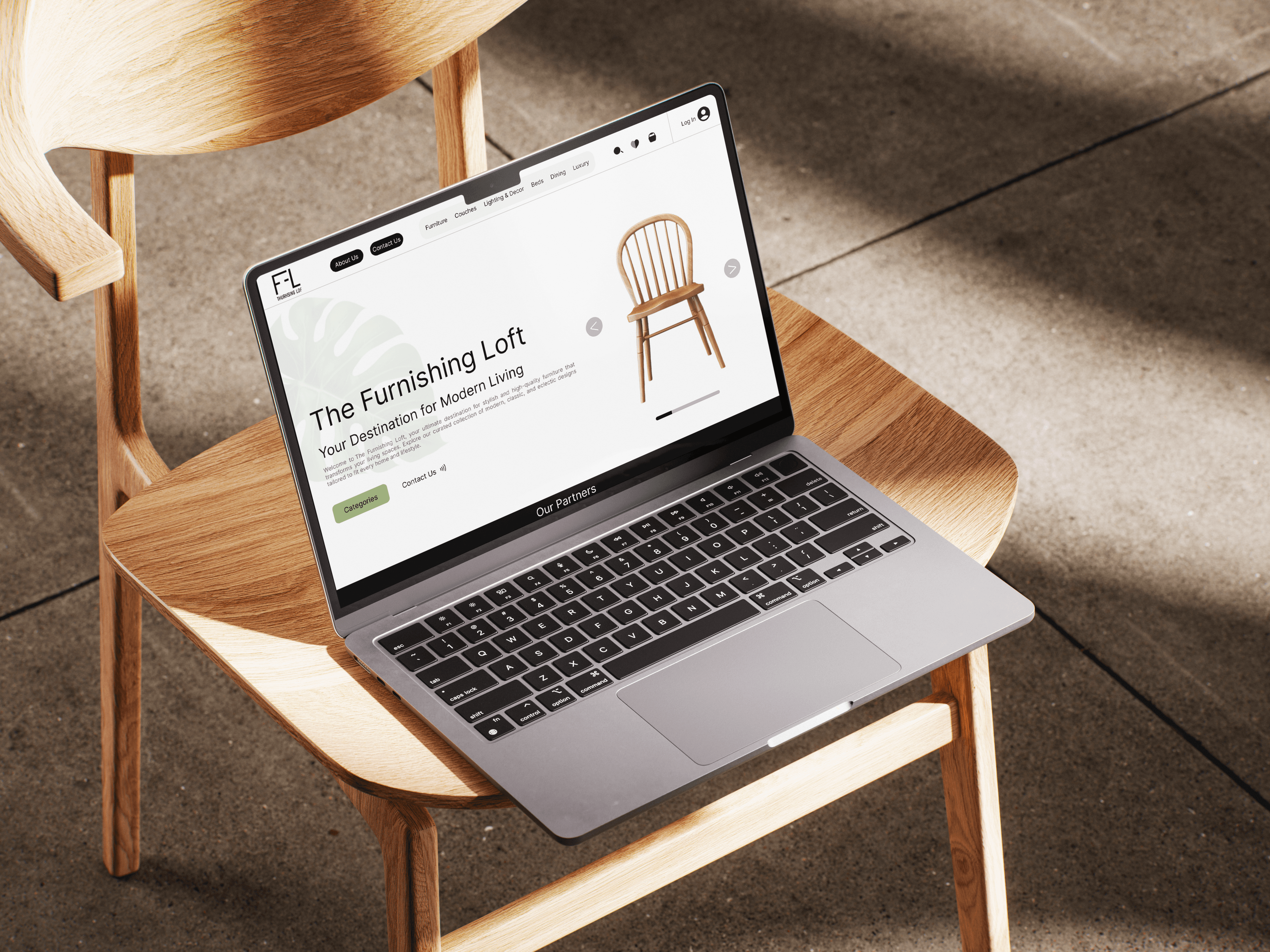
The Furnishing Loft — Furniture E-commerce Experience
Role
Product Design · UI/UX Design · UI Strategy · Prototyping
Approach
User-centered design · Content reduction strategy · Intuitive navigation
Tools

Workflow
Research → User Flow Mapping → Information Architecture → Wireframing → Visual UI Design → Prototyping → Iteration
Designing Furniture Experience
This project explores the end-to-end design of a niche furniture e-commerce platform, The Furnishing Loft, across web, mobile, and admin ecosystems. From a product design perspective, the goal was to translate the emotional nature of furniture into a digital experience that feels spacious, intentional, and visually calm. Instead of following traditional content-heavy e-commerce patterns, I focused on cognitive load reduction, allowing each product to act as a visual anchor. This was achieved through strong visual hierarchy, strategic whitespace utilization, and controlled content density, ensuring users can browse effortlessly without feeling overwhelmed.
System Thinking & Information Architecture
The foundation of this project was built using a structured Information Architecture (IA) approach, mapped in FigJam through user flows, user journey mapping, and content structuring. I defined clear navigation pathways across product discovery, exploration, and checkout journeys. By simplifying category depth and optimizing filter logic, I reduced decision fatigue while maintaining flexibility. The IA directly informed grid systems, layout structures, and navigation patterns in Figma. I also implemented progressive disclosure, ensuring users see only essential information first, with the option to access deeper details when needed.
Visual Design, Components & Interactions
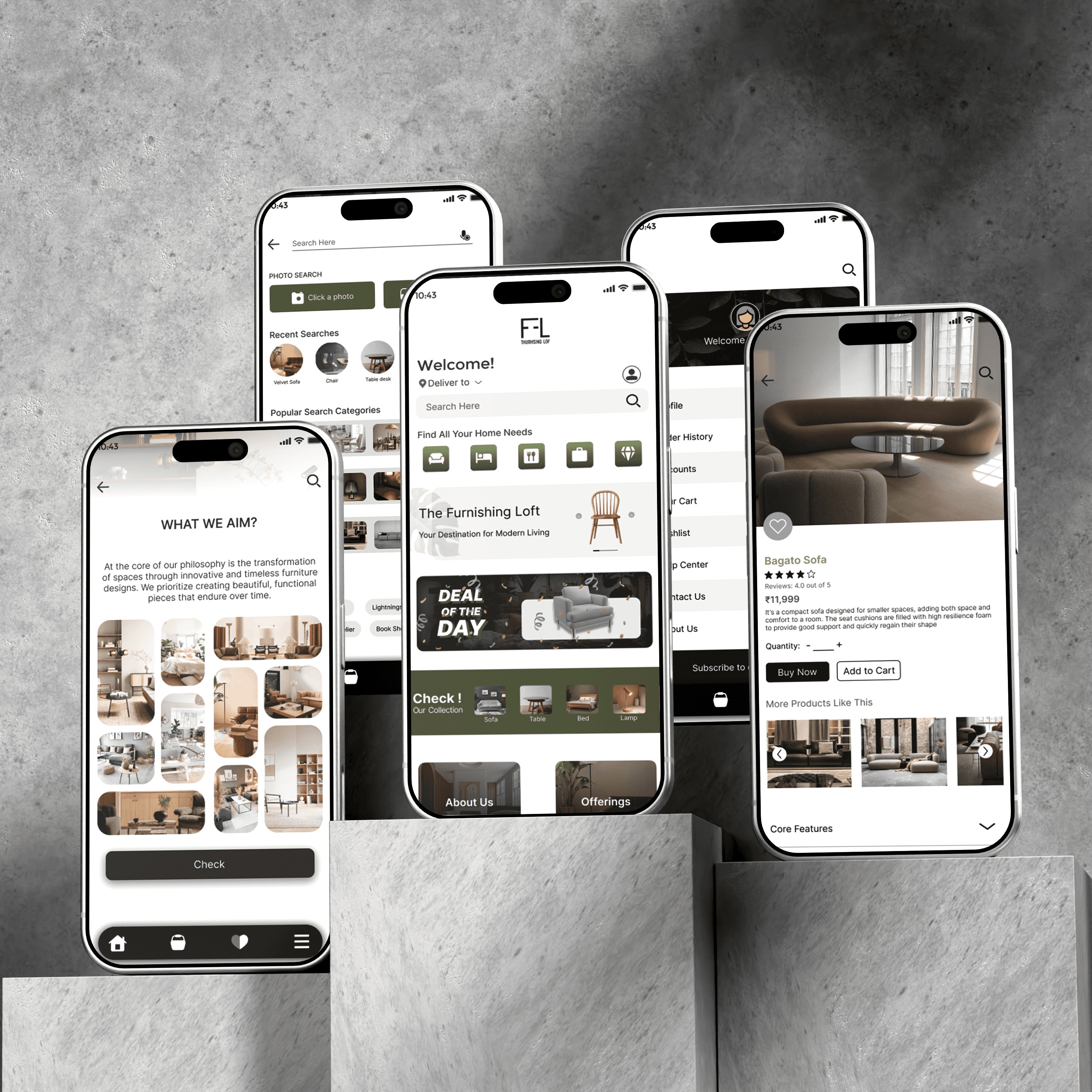
The interface was designed in Figma using a component-driven design system, ensuring scalability, consistency, and reusability across screens. I developed interactive components such as expandable sections (accordions), dynamic quantity steppers, filter chips, and modular product cards to enhance usability and engagement. The visual language is built on a neutral color system with muted greens to evoke warmth and modern minimalism, supported by typographic hierarchy and spacing systems. Additionally, I used Adobe Photoshop for image post-processing, maintaining consistency in lighting, color grading, and composition, which elevates the overall product presentation and brand perception.

Prototyping & Multi-Platform Experience
Interactions and flows were validated through high-fidelity prototyping using Figma interactions, focusing on micro-interactions, state transitions, and user feedback loops. The mobile experience was optimized for thumb-friendly navigation, while the desktop version emphasized structured browsing and visual depth. In parallel, I designed an admin dashboard interface with a focus on data visualization, table structures, and actionable UI states for efficient product and order management. This project reflects a holistic product design approach, ensuring cross-platform consistency, scalable design systems, and a seamless end-to-end user experience.